Cyberbullying
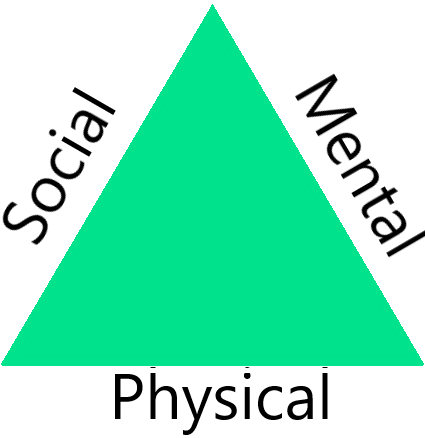
This Is The Health Triangle
use the information on this page to be a better person online.
What Is Cyberbullying?
mostly by sending emails, texts, or chats that are intimidating or threatening. Cyberbullying is a huge problem,
as we are getting more and more technologically advanced.
How To Avoid Problems When Using Social Media
information online. This could lead to cyberbullying, especially if they know your contacts. Also, don’t chat with someone through a game or on social media that you
don’t know in person. There might be a fifty-year-old woman or something behind the screen, instead of the eleven-year-old kid that they say they are.
The Types of Technology We Use Today
There are:
How Cyberbullying affects the Health Triangle
outcomes including impacts on mental health, substance use, and suicide. It is important to determine whether bullying—or something else—is a concern.
Kids who are cyberbullied can experience negative physical, social, and mental health issues. Kids who are bullied are more likely to experience depression
and anxiety, increased feelings of sadness and loneliness, changes in sleep and eating patterns, and loss of interest in activities they used to enjoy. These
issues may persist into adulthood. they could also experience health complaints. In some cases, when the bullying continues, they may have decreased academic
achievement—GPA and standardized test scores—and school participation. They are more likely to miss, skip, or drop out of school. A very small number of bullied
children might retaliate through extremely violent measures. In 12 of 15 school shooting cases in the 1990s, the shooters had a history of being bullied.
We use these things every single day in our lives. Yet, we don't really give any thought
about how they could be affecting our physical lives, our mental lives, and our social lives. I think we should give more thought to
what we do, and do better at solving these problems. Thank you for coming to this page.
You can also click the button below to go back to my portfolio.